
Financial Freedom in the Face of Inflation: Smart Money Moves for Pakistani Women
As a senior career strategist for SHEPROGRESS, I've had the privilege of working with numerous ambitious women in Pakistan who are eager to take control of their finances and achieve financial independence. However, with the current economic landscape and rising inflation, it can be daunting to make smart money moves. In this article, we'll delve into the world of personal finance, exploring practical strategies and advice tailored specifically for Pakistani women.
Understanding the Challenge of Inflation
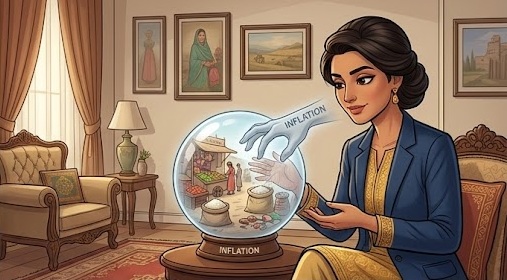
Inflation is a silent thief, quietly eroding the purchasing power of our hard-earned money. For Pakistani women, it's essential to comprehend how inflation affects their financial goals and aspirations. Consider this: if you had saved Rs. 100,000 five years ago, its value would be significantly less today due to inflation. This is why it's crucial to develop a strategy that helps your money grow faster than the inflation rate.

To begin, let's take a cue from our traditional Pakistani culture, where saving and thriftiness are deeply ingrained values. Our grandmothers and mothers have always been adept at managing household budgets, stretching every rupee to its maximum potential. We can learn from their frugality and resourcefulness. By adopting a similar mindset and combining it with modern financial knowledge, we can overcome the challenges posed by inflation.
Setting Financial Goals
Before we dive into the nitty-gritty of smart money moves, it's vital to set clear financial goals. What do you want to achieve? Is it saving for a down payment on a house, funding your children's education, or building a retirement nest egg? Whatever your goals, write them down and make them specific, measurable, achievable, relevant, and time-bound (SMART). This will help you stay focused and motivated on your journey to financial freedom.
For example, let's say you want to save Rs. 500,000 for a down payment on a house within the next three years. Break down this goal into smaller, manageable targets, such as saving Rs. 14,000 per month. By doing so, you'll create a clear roadmap for achieving your objectives.
Building an Emergency Fund
An emergency fund is the backbone of any financial plan. It provides a cushion against unexpected expenses, ensuring that you're not forced to go into debt when life throws you a curveball. Aim to save 3-6 months' worth of living expenses in a readily accessible savings account. This fund will not only reduce your financial stress but also give you the peace of mind to pursue your long-term goals.
Consider the concept of "bachat" (savings) in our Pakistani culture, where we traditionally set aside a portion of our income for future needs. By prioritizing your emergency fund, you'll be following in the footsteps of our thrifty ancestors, who understood the importance of saving for a rainy day.
Investing Wisely
Now that we've covered the basics of goal-setting and emergency funding, it's time to explore the world of investments. As Pakistani women, we often shy away from investing, fearing that it's too complex or risky. However, with the right guidance and a solid understanding of your financial goals, investing can be a powerful tool for growing your wealth.
Consider the following investment options:
- Stocks: Investing in the stock market can provide higher returns over the long term, but it's essential to educate yourself about the risks and rewards.
- Mutual Funds: These funds pool money from multiple investors to invest in a diversified portfolio of stocks, bonds, or other securities.
- Real Estate: Investing in property can provide a steady stream of rental income and potentially appreciate in value over time.
- Gold or Other Precious Metals: Investing in gold or other precious metals can provide a hedge against inflation and currency fluctuations.
When investing, remember the principles of diversification and dollar-cost averaging. By spreading your investments across different asset classes and regularly investing a fixed amount of money, you'll reduce your risk and increase your potential for long-term growth.
Managing Debt
Debt can be a significant obstacle on your journey to financial freedom. High-interest debt, in particular, can erode your wealth and limit your options. If you're struggling with debt, prioritize paying off high-interest loans and credit cards as soon as possible.
Consider the following strategies for managing debt:
- Debt Snowball: Pay off your debts one by one, starting with the smallest balance first.
- Debt Avalanche: Pay off your debts with the highest interest rates first, while making minimum payments on other debts.
- Debt Consolidation: Combine multiple debts into a single loan with a lower interest rate and a longer repayment period.
By tackling your debt and creating a plan to manage it, you'll free up more money in your budget to invest in your future.
Budgeting and Expense Management
A well-crafted budget is the foundation of any successful financial plan. It helps you track your income and expenses, identify areas for improvement, and make conscious decisions about how you want to allocate your resources.
Consider the 50/30/20 rule:
- 50% of your income should go towards necessary expenses like rent, utilities, and groceries.
- 30% towards discretionary spending like entertainment, hobbies, and travel.
- 20% towards saving and debt repayment.
By following this rule, you'll ensure that you're prioritizing your needs over your wants and making progress towards your financial goals.

In conclusion, achieving financial freedom in the face of inflation requires a combination of smart money moves, discipline, and patience. By setting clear financial goals, building an emergency fund, investing wisely, managing debt, and budgeting effectively, you'll be well on your way to securing your financial future.
As Pakistani women, we have the power to break free from the constraints of financial uncertainty and create a brighter, more prosperous tomorrow for ourselves and our loved ones. So, take the first step today, and let's work together to achieve financial independence and live the life we truly deserve.