
The Power of Vulnerability: How Embracing Weakness Can Strengthen Your Leadership
As a senior career strategist for SHEPROGRESS, I've had the privilege of working with numerous ambitious women in Pakistan, guiding them towards unlocking their full potential. In our pursuit of leadership excellence, we often emphasize the importance of confidence, resilience, and strategic thinking. However, there's a lesser-discussed yet equally crucial aspect of effective leadership: vulnerability. In this article, we'll delve into the concept of vulnerability as a strength in leadership and explore how embracing weakness can foster deeper connections and more effective leadership.
Embracing the Taboo of Vulnerability
In our Pakistani culture, vulnerability is often viewed as a sign of weakness, something to be hidden or overcome. We're taught from a young age to be strong, to persevere, and to never show our emotions. This mindset can be particularly challenging for women, who are already expected to juggle multiple roles and responsibilities. As a result, we may feel pressured to put on a mask of invincibility, even when we're struggling. But what if I told you that this mask is actually holding you back from becoming the best leader you can be?
Vulnerability is not about being weak or fragile; it's about being brave enough to be yourself, without pretenses or apologies. It's about acknowledging your fears, doubts, and uncertainties, and being willing to learn from them. When we embrace vulnerability, we open ourselves up to new experiences, relationships, and growth opportunities. We become more relatable, more empathetic, and more human.
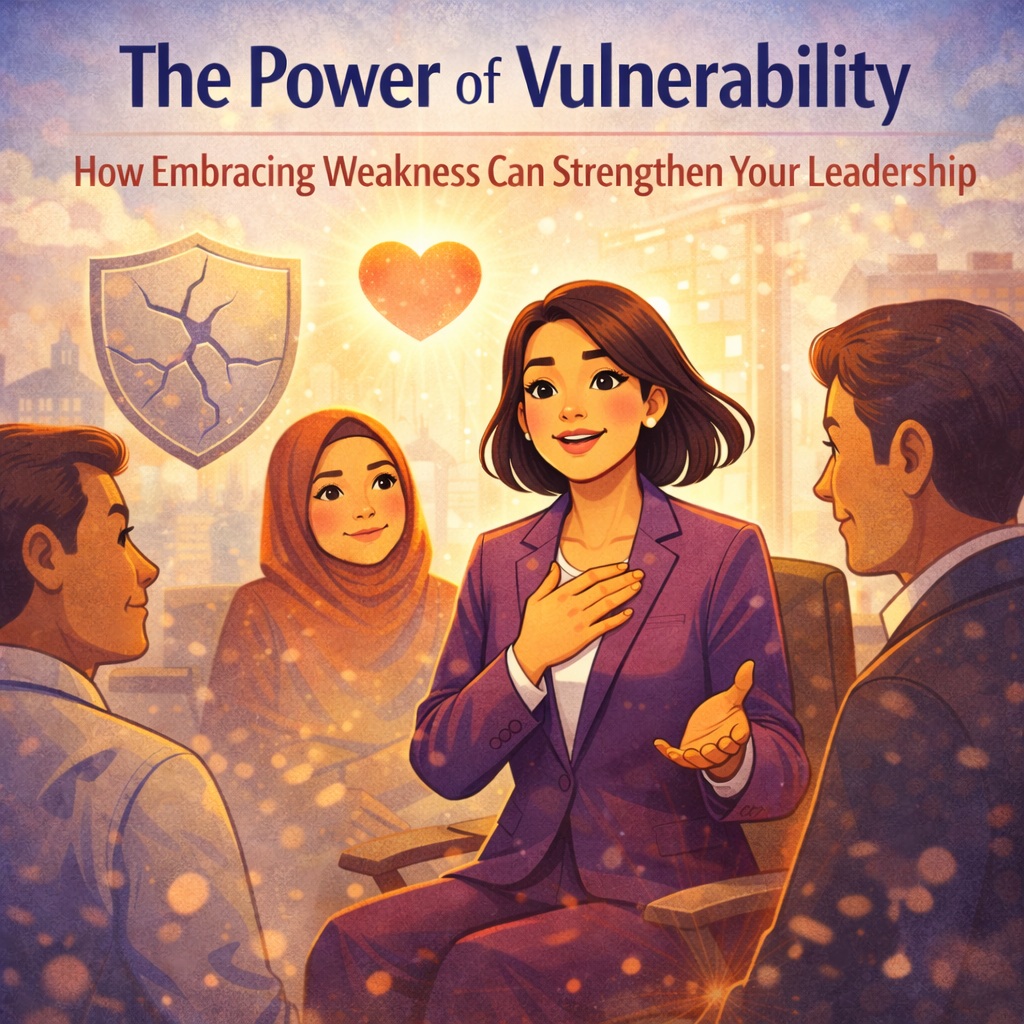
The Benefits of Vulnerable Leadership
So, what are the benefits of embracing vulnerability in leadership? For starters, it helps to build trust and credibility with your team. When you're willing to be vulnerable, you show your team that you're approachable, accountable, and willing to take risks. This, in turn, fosters a culture of openness, transparency, and collaboration. Your team members are more likely to feel comfortable sharing their own ideas, concerns, and feedback, which can lead to more innovative solutions and better decision-making.
Vulnerable leadership also promotes emotional intelligence, self-awareness, and personal growth. When you're willing to confront your own weaknesses and limitations, you become more aware of your strengths and areas for improvement. This self-awareness enables you to make more informed decisions, to communicate more effectively, and to build stronger relationships with your team and stakeholders.
Overcoming the Fear of Vulnerability
I know that embracing vulnerability can be daunting, especially in a culture that often values strength and stoicism. You may be worried about being perceived as weak or vulnerable, or about losing control or respect. But the truth is, vulnerability is not a sign of weakness; it's a sign of courage. It takes courage to be vulnerable, to put yourself out there, and to risk being hurt or rejected.
So, how can you start to overcome your fear of vulnerability? Start by practicing self-compassion and self-kindness. Treat yourself with the same kindness and understanding that you would offer to a friend. Acknowledge your fears and doubts, and remind yourself that it's okay to not have all the answers. Take small steps towards vulnerability, such as sharing your thoughts and feelings with a trusted friend or mentor, or being more open and transparent in your communication.

Creating a Culture of Vulnerability
As a leader, you have the power to create a culture of vulnerability within your organization. This starts with modeling the behavior yourself, by being willing to be vulnerable and open with your team. It also involves creating a safe and supportive environment, where team members feel comfortable sharing their thoughts and feelings without fear of judgment or retribution.
In Pakistan, we have a rich cultural heritage of hospitality and respect for our elders. We can draw on these values to create a culture of vulnerability, by emphasizing the importance of empathy, active listening, and open communication. We can also learn from our traditional concepts of "mehman nawazi" (hospitality) and "ikhlaq" (etiquette), which emphasize the importance of treating others with respect, kindness, and compassion.
The Power of Storytelling
One of the most effective ways to build a culture of vulnerability is through storytelling. When we share our personal stories and experiences, we create a sense of connection and community with others. We show our team members that we're human, that we've faced challenges and overcome obstacles, and that we're willing to learn and grow.
In Pakistani culture, we have a rich tradition of storytelling, from the ancient tales of the Mughal Empire to the modern-day stories of our everyday heroes. We can draw on this tradition to create a culture of vulnerability, by sharing our own stories and encouraging others to do the same. This can be as simple as sharing a personal anecdote in a team meeting, or as formal as creating a storytelling workshop or training program.

Conclusion
In conclusion, vulnerability is not a weakness; it's a strength. It's a sign of courage, empathy, and leadership. By embracing vulnerability, we can build deeper connections with our team members, foster a culture of openness and transparency, and become more effective leaders. So, I encourage you to take the first step towards vulnerability, to be brave enough to be yourself, and to create a culture of vulnerability within your organization. Remember, it's okay to be vulnerable; it's okay to not have all the answers. What's most important is that you're willing to learn, to grow, and to lead with courage and compassion.